
Blogs
Essential Tips for Newborn Care and Healthy Beginnings
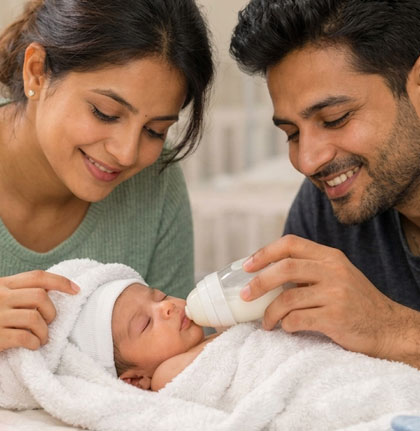
The first few weeks of a baby's life are a special time filled with new experiences, questions, and sometimes a little uncertainty for parents. Newborns need gentle care, regular feeding, warmth, and close attention as they adjust to life outside the womb.
With the right guidance and regular newborn follow-up, parents can feel more confident while supporting their baby's healthy growth and development during these important early weeks.
Feeding Your Newborn
Feeding is one of the most important aspects of newborn care. Parents should pay attention to their baby's feeding pattern, comfort during feeds, and overall feeding response.
Breastfeeding can provide important nutrition and support during the early months. Parents who have concerns about feeding, latch, milk intake, or their baby's feeding pattern should discuss them with their pediatrician for personalized guidance.
Monitoring Your Baby's Weight
Monitoring weight is an important part of newborn follow-up. Babies go through normal changes in weight during the early days, and regular assessment helps the pediatrician understand whether the baby is progressing appropriately.
Rather than focusing on a single measurement, your pediatrician will look at the baby's overall growth pattern along with feeding, activity, and general wellbeing.
Understanding Newborn Jaundice
Mild jaundice is common in newborns, but it is important for parents to keep an eye on their baby's skin and eyes and follow the pediatrician's advice. The timing and severity of jaundice can vary, so appropriate assessment is important.
If your baby's yellowish discoloration appears to be increasing or you are concerned about feeding, alertness, or overall wellbeing, seek medical advice promptly.
Keeping Your Newborn Comfortable & Safe
Newborns are delicate and need a calm, comfortable, and safe environment. Parents can support their baby's wellbeing by maintaining good hygiene, handling the baby gently, and following appropriate newborn care practices.
- Maintain good hand hygiene before handling the baby
- Keep the baby's surroundings clean and comfortable
- Handle and support the baby's head and neck gently
- Follow recommended vaccination and preventive care guidance
- Avoid exposing the newborn unnecessarily to people who are unwell
- Discuss any concerns about feeding, sleep, weight, or behaviour with your pediatrician
Why Is Newborn Follow-Up Important?
The early weeks are an important period for monitoring a baby's feeding, weight, development, and overall health. Regular newborn follow-up allows parents to ask questions and gives the pediatrician an opportunity to identify concerns early.
These visits can also provide parents with practical guidance about feeding, nutrition, vaccinations, growth, and other aspects of newborn care.
When Should You Contact Your Pediatrician?
Parents should seek medical guidance if they notice significant changes in their baby's feeding, alertness, breathing, temperature, colour, urine output, or overall behaviour.
If something does not seem right or you are simply unsure about your baby's health, it is always reasonable to discuss your concerns with your pediatrician. Early evaluation can provide reassurance and appropriate care when needed.
Consult Dr. Mugdha Rane-Phirke
Dr. Mugdha Rane-Phirke is a Consultant Pediatrician and Neonatologist at NurtureNest Child Clinic, Thane (West). She provides newborn and neonatal care with a focus on feeding, weight monitoring, newborn follow-up, preventive healthcare, and healthy early development.
With experience in neonatal intensive care and pediatric care, she works closely with parents to understand their concerns and provide thoughtful, evidence-based guidance during the early stages of their baby's life.
Have questions about your newborn's feeding, weight, jaundice, or overall wellbeing? Schedule a consultation for personalized newborn care and guidance.