
Blogs
Importance of Vaccination in Childhood
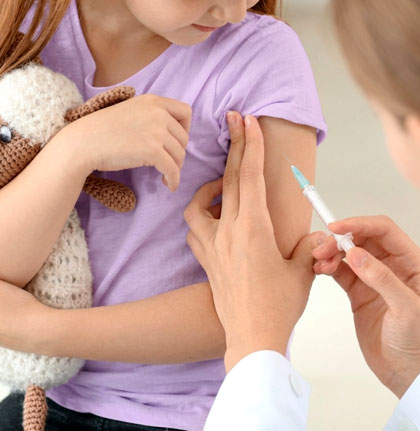
Vaccination is one of the most important parts of preventive healthcare during childhood. Vaccines help prepare a child's immune system to recognize and fight certain infections, providing protection against diseases that can sometimes cause serious illness and complications.
From the early months of life through adolescence, following an age-appropriate vaccination schedule helps protect children and contributes to healthier communities. Regular pediatric visits also give parents an opportunity to discuss vaccines, possible concerns, and their child's individual healthcare needs.
How Do Vaccines Protect Children?
Vaccines help the immune system develop protection against specific infections without causing the disease itself. When a vaccinated child is later exposed to the infection, their immune system may be better prepared to respond.
This protection can reduce the risk of severe illness and help prevent certain vaccine-preventable diseases from spreading within the community.
Why Is Childhood Vaccination Important?
Children are exposed to different infections as they grow. Vaccination provides an important layer of protection during these different stages of childhood.
- Protects Against Serious Diseases: Vaccines help protect children from several infections that may lead to serious complications.
- Builds Immune Protection: Vaccination helps the immune system recognize specific infections and respond to them.
- Supports Preventive Healthcare: Vaccination is an important part of keeping children healthy and reducing preventable illness.
- Helps Protect Others: High vaccination coverage can also help reduce the spread of certain infections within families and communities.
- Provides Protection Through Childhood: Following the recommended schedule helps children receive protection at the appropriate stages of development.
Following the Recommended Vaccination Schedule
Vaccines are recommended at specific ages because children need protection against different infections at different stages of life. Some vaccines require more than one dose to develop or maintain adequate protection.
Keeping a record of your child's vaccinations can help ensure that scheduled doses are not missed. Your pediatrician can guide you regarding age-appropriate vaccines and any doses that may be due.
What If a Vaccine Dose Is Missed?
Parents may sometimes miss a scheduled vaccination because of illness, travel, or other circumstances. If this happens, it is best to speak with your pediatrician rather than ignoring the missed dose.
A pediatrician can review your child's vaccination history and advise you about the appropriate next steps based on the child's age and previous doses.
Are Vaccines Safe for Children?
Vaccines undergo extensive testing and monitoring for safety. Like medicines, vaccines can sometimes cause mild temporary reactions such as soreness at the injection site, mild fever, or discomfort.
If you have concerns about a particular vaccine or your child's health, discuss them with your pediatrician. Individual medical history, previous reactions, and current health can all be considered when providing vaccination guidance.
Vaccination Is Part of Preventive Child Healthcare
Vaccination is one important part of keeping children healthy. Regular health check-ups, nutritious food, healthy sleep, developmental monitoring, hygiene, and age-appropriate preventive care also contribute to a child's overall wellbeing.
Taking a preventive approach helps parents stay informed about their child's changing health needs throughout infancy, childhood, and adolescence.
Consult Dr. Mugdha Rane-Phirke
Dr. Mugdha Rane-Phirke is a Consultant Pediatrician and Neonatologist at NurtureNest Child Clinic, Thane (West). She provides vaccination services along with preventive pediatric care, growth and developmental monitoring, nutrition guidance, and parent counselling.
Her approach focuses on helping parents understand their child's healthcare needs and make informed decisions about vaccination and preventive care.
Have questions about your child's vaccination schedule? Schedule a consultation for personalized vaccination and preventive healthcare guidance.